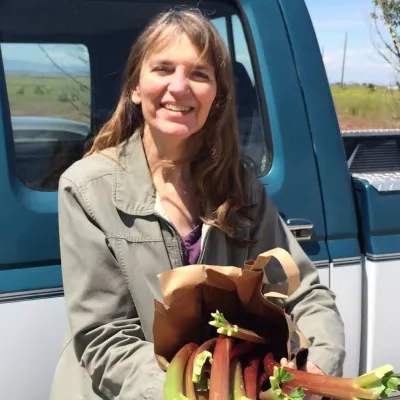
Tender, caramelized carrots with a touch of honey and crunchy walnuts — a comforting fall side dish that’s been on my table for nearly 20 years.
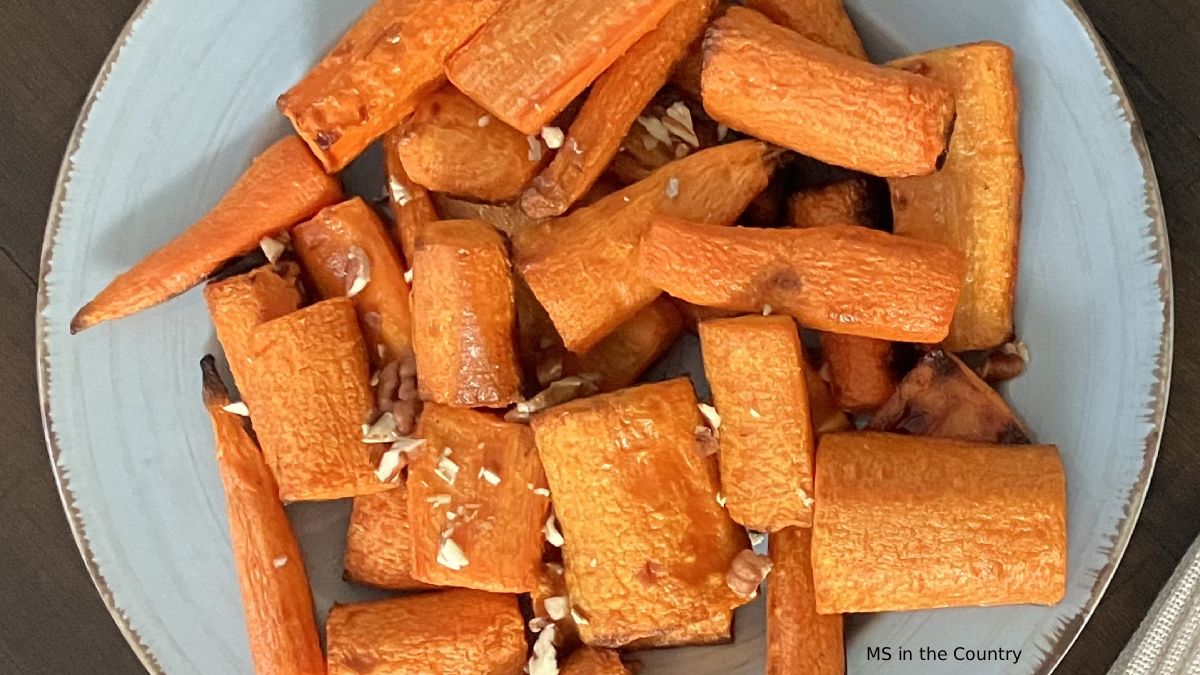
Roasted carrots have been part of how I eat for nearly 20 years — almost as long as I’ve been managing MS through diet.
When I first changed the way I ate, I was learning to cook from scratch and figuring out which vegetables I actually liked. Carrots were one of the early ones that stuck. Simple, affordable, naturally sweet, and easy to prepare. I started roasting them plain with a little oil and salt, and that was enough for a long time.
Then I added honey. Just a drizzle at the end — enough to deepen the natural sweetness that roasting brings out. That small addition changed the whole dish.
And then, maybe 10 or 15 years later, I added walnuts. Mostly for the omega-3s, if I’m being honest — but they turned out to be the best addition of all. The crunch against the tender carrot, the slight bitterness against the honey sweetness. It just works.
This is one of those recipes that feels like comfort food in the fall, when the oven is running more often and something warm and caramelized sounds exactly right. I usually eat carrots mixed into other vegetables, but when the weather turns, roasted carrots on their own feel like a treat.
One more thing before we get to the recipe: I don’t peel my carrots. I buy organic and scrub them well with a vegetable brush — the skin is perfectly fine to eat, and skipping the peeling saves time and keeps more of the nutrients intact. I also buy carrots on the larger side. Thin, small carrots are harder to scrub and harder to work with. A little bigger makes everything easier.
Jump to
Why These Roasted Carrots Work for MS
Roasted carrots are one of the simplest anti-inflammatory side dishes you can make. They require almost no prep, cook hands-off in the oven, and pair with nearly anything. For anyone managing MS naturally, that combination of low effort and high nutrition is exactly what you want from a side dish.
They’re also genuinely satisfying in a way that plain steamed vegetables aren’t. Roasting concentrates the natural sugars in carrots and creates caramelized edges that make them taste almost sweet enough to be dessert — without any refined sugar involved.
Why Every Ingredient Earns Its Place
Organic carrots: Carrots are one of the vegetables worth buying organic, since conventionally grown carrots can carry pesticide residue on their skin — and since I don’t peel mine, organic matters here. Carrots are rich in beta-carotene, the antioxidant the body converts to vitamin A, which plays a critical role in immune regulation. They’re also a good source of vitamin K, potassium, and fiber that feeds beneficial gut bacteria.
🌿 Healing Tip:
Beta-carotene, which gives carrots their orange color, is a fat-soluble antioxidant — meaning your body absorbs it much more effectively when it’s eaten with fat. Roasting carrots in olive oil isn’t just about flavor. The oil is what allows your body to actually absorb the beta-carotene and convert it to vitamin A. This is one of the simplest examples of how cooking method directly affects the nutrition your body receives.
Olive oil: A generous drizzle of olive oil before roasting does two things — it helps the carrots caramelize and brown in the oven, and it provides the fat needed to absorb the beta-carotene. I use extra virgin olive oil here since the roasting temperature is moderate enough that it holds up well.
Raw honey: Just a drizzle over the finished carrots adds a layer of sweetness that complements the caramelization beautifully. Raw honey retains trace enzymes and antioxidants that processed honey loses. A small amount goes a long way — you’re not sweetening the dish, just enhancing what’s already there.
Walnuts: This is the addition that took this recipe from good to great. Walnuts add crunch, richness, and a slight bitterness that balances the sweetness of the honey and carrots perfectly. They’re also one of the best plant sources of omega-3 fatty acids, which have well-documented anti-inflammatory effects on the central nervous system.
🌿 Healing Tip:
Walnuts are one of the richest plant sources of alpha-linolenic acid (ALA), an omega-3 fatty acid with anti-inflammatory properties that are particularly relevant for people with MS. A small handful added to a side dish is one of the easiest ways to consistently increase your omega-3 intake as part of an overall anti-inflammatory diet. I added walnuts to this recipe primarily for that reason — but the flavor and texture they bring is a very welcome bonus.
Sea salt and black pepper: Simple seasoning that brings everything into focus. Salt before roasting, a little more to taste at the end if needed.
Fresh herbs (optional): A scatter of fresh thyme or rosemary before roasting adds an earthy, aromatic note that pairs beautifully with the sweetness of the carrots and honey. Entirely optional — the recipe is complete without them — but worth trying if you have fresh herbs on hand.
Easy Ways to Make Them Your Own
Add garlic. Two or three cloves of garlic, left whole or roughly chopped, roasted alongside the carrots adds depth and a savory note that balances the sweetness beautifully.
Use maple syrup instead of honey. Pure maple syrup works equally well as a drizzle at the end. The flavor is slightly different — a little more complex — but just as good.
Add tahini. A drizzle of tahini over the finished carrots adds a nutty, slightly bitter creaminess that pairs well with the honey. This is a popular combination if you enjoy tahini — I personally prefer the walnuts for their texture and omega-3s, but tahini is a lovely variation.
Add cinnamon. A pinch of cinnamon in the seasoning before roasting gives the carrots a warm spice note that leans into the fall comfort food feeling.
Roast with other root vegetables. Carrots roast beautifully alongside parsnips, sweet potatoes, or beets at the same temperature. A mixed root vegetable tray with honey and walnuts is a stunning fall side dish.
Common Questions
Do I have to peel the carrots? No — and I never do. I buy organic carrots and scrub them well with a vegetable brush. The skin is perfectly edible, and skipping the peeling saves time and keeps more of the nutrients intact. I also buy slightly larger carrots because they’re easier to scrub than small, thin ones.
Can I make these ahead of time? Yes — roasted carrots reheat well in a skillet over medium heat or in a 350°F oven for about 10 minutes. They’re best fresh from the oven when the edges are still caramelized, but leftovers are still very good the next day. Add the walnuts and honey fresh after reheating rather than before storing.
What temperature is best for roasting carrots? 400°F gives the best caramelization without burning. Lower temperatures produce softer carrots with less color — they’re fine but less flavorful. Higher temperatures can burn the honey drizzle if it goes on before roasting, which is why I add it at the end.
Can I use baby carrots? You can, but larger carrots give a better result. Baby carrots have a higher water content and tend to steam rather than roast, which means less caramelization and less flavor. If you use them, spread them well and give them extra time.
Are these good during a flare? Yes — especially since the oven does all the work. Once the carrots are prepped and in the oven, there’s nothing to do for 25 minutes. On a hard day, that hands-off cook time is exactly what you need.
Roasted Carrots with Honey and Walnuts Ingredients
- 1 pound organic carrots, scrubbed and cut into similar-sized pieces
- 2 tablespoons extra virgin olive oil
- ½ teaspoon sea salt
- ¼ teaspoon black pepper
- ¼ cup walnuts, roughly chopped
- 1–2 teaspoons raw honey, to drizzle
- Fresh thyme or rosemary (optional)
Roasted carrots are one of those recipes that sounds too simple to be worth making — until you taste them fresh from the oven with a drizzle of honey and a handful of walnuts. If you try them this fall, leave a comment below and let me know what you thought. I read every single one.
Recipe
Immune-Supporting Roasted Carrots
Equipment
- Baking Sheet
- Parchment paper
Ingredients
- 1 pound organic carrots, scrubbed and cut into similar-sized pieces
- 2 tablespoons extra virgin olive oil
- ½ teaspoon Himalayan salt or sea salt
- ¼ teaspoon black pepper
- ¼ cup chopped walnuts
- 1–2 teaspoons raw honey, to drizzle
- Fresh thyme or rosemary (optional)
Instructions
- Preheat oven to 400°F. Line a baking sheet with parchment paper.
- Scrub the carrots well with a vegetable brush — no peeling needed if using organic. Cut into similar-sized pieces so they roast evenly.
- Toss the carrots with olive oil, sea salt, and black pepper. Spread in a single layer on the prepared baking sheet. Add fresh herbs if using.
- Roast for 25–30 minutes, flipping once halfway through, until the carrots are tender and caramelized at the edges.
- Remove from the oven and scatter the walnuts over the top.
- Drizzle with raw honey just before serving.
- Taste and add a little more salt if needed. Serve warm.
Notes
- Buy organic carrots if you’re skipping the peeling — the skin is perfectly good to eat when scrubbed well.
- Slightly larger carrots are easier to scrub and handle than small, thin ones.
- Add the honey and walnuts after roasting, not before — honey can burn at high heat and walnuts toast quickly.
- Leftovers keep in the refrigerator for 3–4 days. Reheat in a skillet or oven, then add fresh honey and walnuts.
You may also enjoy
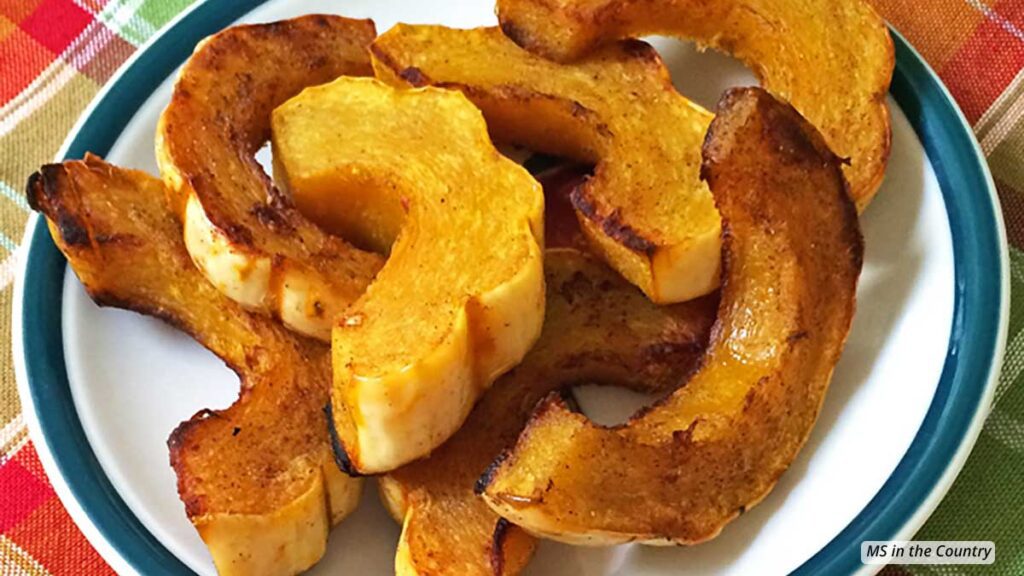
Cinnamon Delicata Squash
This easy cinnamon delicata squash recipe caramelizes in coconut oil and cinnamon for a naturally sweet side dish. No peeling required! Perfect for MS management and packed with vitamin A.
🍂 Get the Cinnamon Delicata Squash Recipe
💌 Enjoyed This Roasted Carrot Recipe? Let’s Stay Connected!
Get more healthy, easy-to-make recipes, like the Immune-Supporting Roasted Carrots recipe, and extra tips sent straight to your inbox. Join my MS in the Country newsletter for more holistic nutrition ideas, seasonal ingredients, and small daily shifts that support healing from the inside out.