
If you’ve been following EBV and MS news lately, you may have noticed headlines about Epstein-Barr virus (EBV) and multiple sclerosis. The research is fascinating, and for those of us living with MS, it’s more than just interesting science. It’s personal.
When the landmark 2022 study came out showing the EBV-MS connection, I did the math on my own timeline. I had my first MS flare, optic neuritis, at 15. If EBV exposure typically happens about 7.5 years before MS symptoms appear, that meant I was only 7 or 8 years old when I likely contracted EBV. That realization wasn’t scary or depressing. It was clarifying.
Understanding why MS happens doesn’t change the diagnosis, but it does change how I approach living with it. The latest research on EBV, B-cells, and immune system confusion isn’t just academic—it reinforces why the choices we make every single day actually matter. Here’s what the science shows, and more importantly, what it means for how we live.
What’s the Latest EBV and MS Research Shows
For years, researchers knew that the Epstein-Barr virus was linked to MS, but the “how” remained unclear. That’s changing rapidly. Recent studies, including one published just days ago, are revealing the actual mechanism behind the EBV and MS connection. EBV isn’t just associated with MS; it’s actively teaching the immune system to attack the central nervous system.
Here’s the basic pathway researchers have uncovered: EBV infects B-cells (a type of immune cell). In people with certain genetic susceptibilities, this infection causes immune confusion. The body creates antibodies to fight EBV, but those antibodies also mistakenly recognize proteins in myelin (the protective coating around our nerves). The immune system, thinking it’s doing its job fighting a virus, ends up attacking the nervous system instead.
The latest research shows how genetics and EBV interact to trigger this cascade. It’s not just one factor; it’s the combination. You need the genetic susceptibility and the EBV exposure, and likely other environmental factors, all converging at the wrong time.
This isn’t meant to be scary or overwhelming. Actually, understanding this mechanism is empowering. It explains why so many of us already know that immune health, inflammation management, and reducing stress aren’t just ‘nice-to-haves’—they’re foundational.” If MS is fundamentally about immune system confusion and ongoing inflammation, then supporting our immune system in healthy ways makes complete sense.
My Personal EBV and MS Timeline and What It Made Me Realize
When that 2022 study came out showing that nearly everyone with MS had been infected with EBV, and that EBV exposure typically occurred about 7.5 years before MS symptoms, I sat down and worked backward through my own timeline.
I was 15 when I experienced my first MS flare: optic neuritis. If the research was right, that meant I was probably only 7 or 8 years old when I contracted EBV. I had no memory of being particularly sick at that age, but most people who get EBV as kids don’t. It often feels like a mild cold or goes completely unnoticed.
For years, I’d wondered, “Why me?” Not in a self-pitying way, I was genuinely curious. What happened in my life that led to MS? Not something I did wrong, but what factors came together to flip that switch? The EBV research finally started answering that question. It wasn’t one thing. It was genetics I was born with, EBV I likely caught as a child, and probably other environmental factors, all converging.
It was like the perfect storm.
Understanding this didn’t make me feel helpless. It actually did the opposite. If MS develops from this complex interaction between genetics, viral triggers, and immune dysfunction, then supporting my immune system and reducing inflammation isn’t just hopeful thinking. It’s addressing the actual underlying mechanisms.
If MS develops from this complex interaction between genetics, viral triggers, and immune dysfunction, then supporting our immune system and reducing inflammation isn’t just hopeful thinking—it’s addressing the actual underlying mechanisms. There’s something we can do, starting today, to influence our quality of life.
How Understanding MS Immune Response Changed My Approach
Once I understood that MS is fundamentally about immune confusion and chronic inflammation, everything clicked into place. The strict MS diets I’d tried over the years? They all had merit. They were all focused on reducing inflammation. But they were designed for everyone with MS, not specifically for me.
That’s when I changed my approach. Instead of following rigid diet protocols to the letter, I started listening to my body and adjusting based on what actually worked for my system. And something remarkable happened: some of my symptoms actually reversed. My heat intolerance, which had been a constant struggle, disappeared. What used to take me hours to recover from, I could now stay outdoors longer, even on 100º days.
But I also learned something crucial: diet alone wasn’t enough. Chronic stress was stopping my body from continuing to heal. It didn’t matter how perfectly I ate if my nervous system was constantly in fight-or-flight mode.
Here’s what I discovered about stress management: it wasn’t so much about having less stress as it was about how I reacted to stress. Learning to let things go instead of holding onto them. Not stressing about the future.
My husband taught me another way of looking it that changed everything. Years ago, when everyone at my workplace was being threatened with layoffs, I was a wreck. Then he said, “Instead of worrying about IF you get laid off, plan for WHEN you get laid off.” That viewpoint made a huge difference. When I finally did get laid off, I wasn’t upset—I had a plan. I’d already mentally prepared and knew my next steps.
I also found that writing down my feelings helped me process and release stress. I didn’t keep a journal; I’d write it out and throw it away. The act of putting it on paper helped me let it go instead of carrying it around.
But one of the hardest lessons? Learning to be kind to myself. The way I used to talk to myself was terrible. I’d beat myself up for not being able to do simple things that used to come so easily. I realized that if I talked to a friend the way I talked to myself, we wouldn’t be friends for very long. Changing that inner dialogue wasn’t easy—it took a long time. The first step was just acknowledging what I was doing. I still get frustrated sometimes, but now I’m kinder to myself. My body is trying its best.
Managing stress became less about controlling external circumstances and more about changing my internal response. And that shift, combined with the right diet for my body, finally allowed my system to start healing.
Anti-Inflammatory Living: What I Do Daily
Over the years, my approach has evolved from following strict supplement protocols to getting most of my nutrition through food. I focus on an anti-inflammatory diet tailored to my body’s specific needs, and I prioritize gut health, which we now know plays a huge role in immune function.
Research shows that people with MS tend to have more harmful bacteria in their gut compared to people without MS. I got a gut health test done, and sure enough, my microbiome was struggling. I was doing some things well, like eating fiber, fermented foods, maintaining a clean diet, and avoiding foods my body couldn’t handle, like eggs. But my biggest red flag? My hydration was far too low.
This is a common problem for people with MS due to bladder issues, but not drinking enough water seriously harms gut health. Now I make sure I’m drinking enough water throughout the day, including herbal tea. I use an app that gently beeps every 20 minutes to remind me, because time flies, and suddenly I realize I forgot to drink anything.
🌿 Healing Tip: EBV and MS Management Starts with Hydration
Understanding the EBV and MS connection reinforces why staying hydrated matters. Your gut microbiome (which influences immune function) needs adequate water to support beneficial bacteria. Set a timer on your phone or use an app to remind you to drink throughout the day. Herbal teas count too!
What I Eat
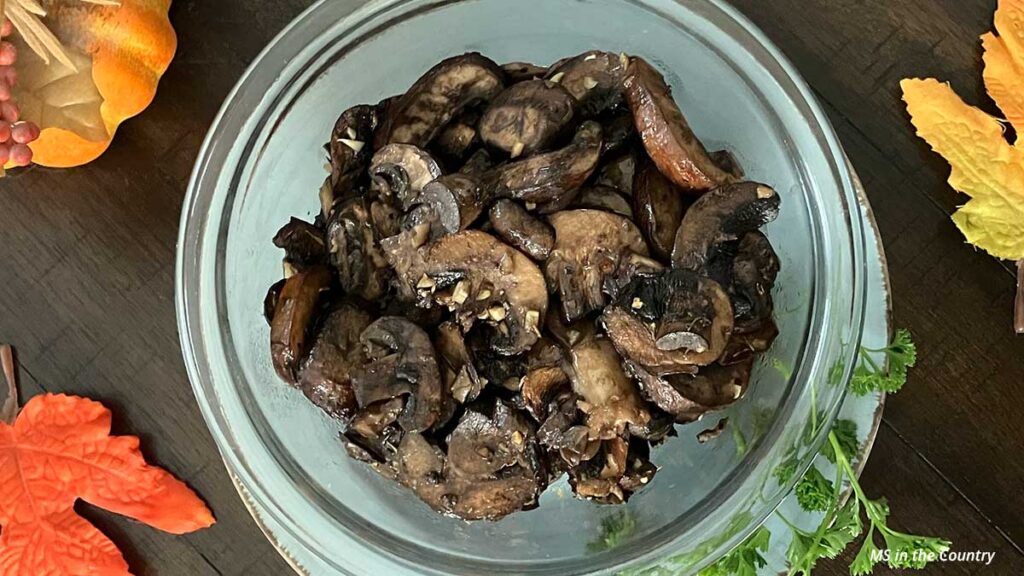
EBV and MS Fighting Foods
Focus on an anti-inflammatory diet tailored to your body’s specific needs, and prioritize gut health, which we now know plays a huge role in immune function. Learn more about specific foods that combat EBV and MS.
My diet focuses on supporting gut health and reducing inflammation. Here’s what I eat:
Fresh garlic (antiviral properties), onions, a variety of leafy greens and vegetables, cruciferous vegetables like broccoli and cauliflower (especially beneficial for people with MS), fruits, seeds like flaxseeds and chia seeds, walnuts for omega-3s, and small amounts of fermented foods. When your gut is damaged, it’s best to start slow with fermented foods. I learned that the hard way. Same with fiber, jumping into a high-fiber diet too quickly can backfire. Gradual is better.
I still avoid gluten, dairy (which research shows can trigger more flares in people with MS), and eggs (they give me gut pain and digestive issues). I also avoid drinking lemon water because it causes me to lose my voice, and I’m careful with high-histamine foods. A few are fine, but too many at once cause my face to break out in a rash.
I like to buy whatever fruits and vegetables are in season to save money. And I keep frozen steamable vegetable bags in the freezer for days I don’t feel like cooking.
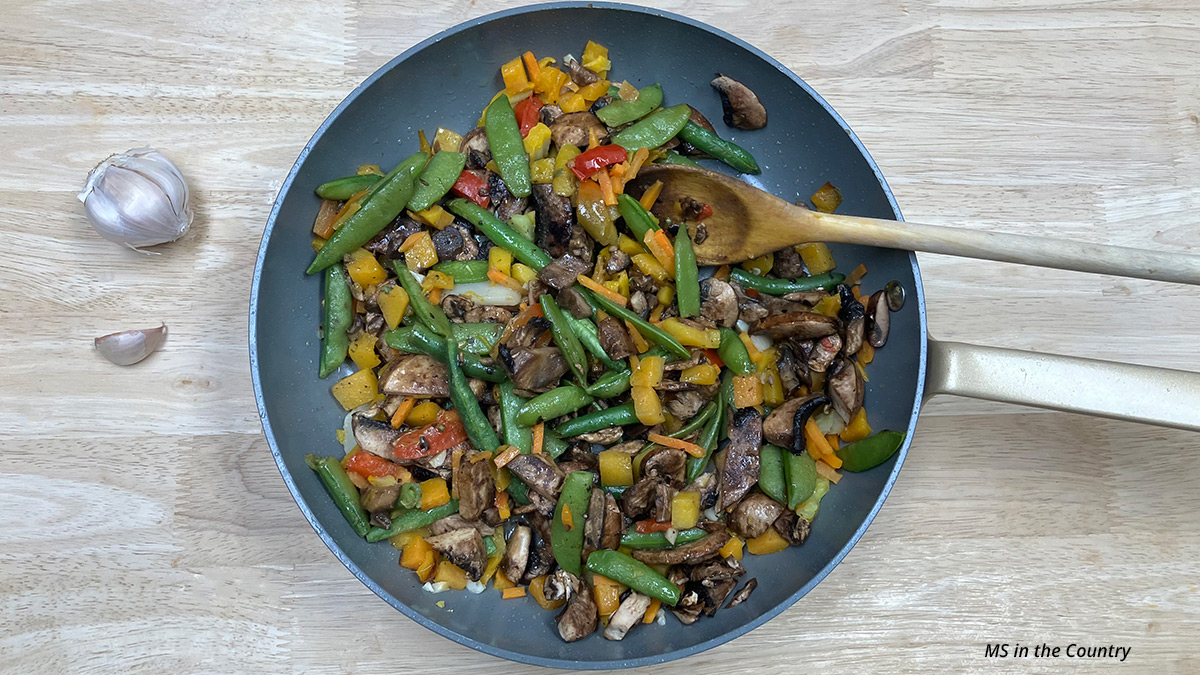
One of my favorites: a Mediterranean blend steamable bag. Once it’s done, I add garlic, a little basil, a forkful of sauerkraut (not too much when starting out), hemp seeds for protein, and half a small avocado (healthy fat). Less than 10 minutes and I have a delicious, gut-healthy meal that’s way better than hitting a drive-through.
🌿 Healing Tip: Fight EBV and MS Inflammation with Fresh Garlic
Since research shows EBV triggers the immune confusion behind MS, eating antiviral foods like fresh garlic makes sense. Crush or chop garlic and let it sit for 10 minutes before cooking. This activates allicin, its most powerful antiviral compound. Add it to your meals daily.
Supplements I Take
I used to take a lot of vitamins, thinking more was better. Today I’m much more selective. I take vitamin D3 with K2 and supplements containing B vitamins. (You can see all my favorite supplements and wellness tools on my My Favorites page.)
I recently got a B12 shot and noticed I started sleeping through the entire night for the first time in ages. I’m not sure if it was directly due to the B12, but I got another shot and plan to discuss this with my doctor at my next appointment.
The key for me has been listening to my body and adjusting based on what actually works for my system, not just following a one-size-fits-all protocol.
The Takeaway: Knowledge Is Empowering, Not Scary
Understanding the EBV and MS connection (how genetics, viral triggers, and immune dysfunction all converge) doesn’t make me feel helpless. It does the opposite. It proves why the daily choices we make actually matter.
We can’t change our genetics or undo EBV exposure from childhood. But we can influence how our immune system functions today. We can reduce inflammation through the foods we choose. We can support our gut health, which directly impacts immune function. We can learn to manage stress in ways that give our nervous system a chance to calm down instead of staying in constant fight-or-flight mode.
The latest MS research isn’t just fascinating science; it’s a roadmap. It shows us that supporting our immune system, reducing chronic inflammation, and taking care of our gut health aren’t just “nice ideas.” They’re addressing the actual mechanisms behind MS.
Yes, I have MS. But I also love my life. MS made me appreciate life more and taught me to listen to my body in ways I never would have otherwise. Understanding the science behind why MS happens doesn’t scare me; it reminds me that the choices I make every single day actually matter.
And that’s something worth knowing.
🌿 Healing Tip: Support Your Gut to Manage EBV and MS
Research on EBV and MS points to immune system confusion, and 70% of your immune system lives in your gut. Start your day with a small serving of fermented foods (sauerkraut, kimchi) and plenty of fiber-rich vegetables. A healthy gut supports a calmer immune response.
Frequently Asked Questions
Does everyone with MS have the Epstein-Barr virus?
Research shows that nearly all people with MS (over 95%) have been infected with EBV at some point in their lives. The landmark 2022 study published in Science found a strong causal link between EBV infection and MS development, though not everyone who gets EBV will develop MS—genetics and other environmental factors also play a role.
Can diet really help with MS symptoms?
While diet can’t cure MS, an anti-inflammatory diet can help manage symptoms and support overall immune function. Research shows that certain dietary approaches (particularly those focusing on gut health, reducing inflammation, and avoiding foods that trigger individual sensitivities) can improve quality of life for people with MS. The key is finding what works for your specific body rather than following a one-size-fits-all approach.
How does gut health affect MS?
Studies show that people with MS tend to have altered gut microbiomes compared to people without MS, with more harmful bacteria and fewer beneficial bacteria. Since about 70% of our immune system is located in the gut, supporting gut health through diet, hydration, fiber, and fermented foods can help reduce inflammation and support healthy immune function—both important factors in managing MS.
What’s the connection between stress and MS flares?
Chronic stress keeps the nervous system in fight-or-flight mode, which can trigger inflammation and potentially worsen MS symptoms. While we can’t eliminate all stress, learning to manage our response to stress (through techniques like reframing situations, processing emotions, and practicing self-compassion) can help reduce chronic inflammation and support the immune system.
💌 Understanding EBV and MS Changes Everything
Join my MS in the Country newsletter to stay informed about EBV and MS research and get practical, positive tips for managing your health naturally—one small step at a time.