
When “Clean Eating” Gets Messy. Have you seen those perfect Instagram posts? The ones with colorful smoothie bowls and trendy superfoods? They promise “clean eating” will heal everything. I fell for it, too.
Clean eating sounds simple. Eat whole foods. Avoid processed junk. But if you’re living with multiple sclerosis (MS), clean eating with MS often turns into something else—stress, guilt, or unrealistic rules.
When you have MS, your body is already working overtime. The last thing you need is food stress on top of everything else.
Let me share what I learned after years of chasing the perfect clean eating with MS plan. Spoiler alert: it doesn’t exist. But there is a better way.
Clean Eating Sounds Good… But it isn’t Always Helpful
Social media makes clean eating look magical. Eat these foods. Avoid those foods. Follow this plan. Your symptoms will disappear.
But real clean eating is different from Instagram clean eating. Real clean eating means nourishing your body. Instagram clean eating means following someone else’s rules perfectly.
The wellness world loves words like “pure” and “clean.” These words make other foods sound “dirty” or “bad.” This creates shame. You ate bread? You failed. You had dairy? You’re not trying hard enough.
Here’s what nobody tells you: when you have MS, stress makes everything worse. Your immune system is already confused. Adding food stress doesn’t help. It hurts.
The stress of not knowing what to eat. The stress of breaking diet rules. The stress of not seeing instant results. Your body doesn’t need more stress. It needs support.
Popular MS Diets Aren’t One-Size-Fits-All
I started eating “healthy” for MS back in 2004. I had such high hopes. I thought all my symptoms would disappear. Some did improve. I felt better. But not everything went away.
So I tried another MS diet. Then another. Over 10+ years, I tried 4 different “clean” diets. Each time, I hoped this would be “the one.”
After all that searching, I realized something important. I needed to eat a healthy diet that fit MY body’s needs—not someone else’s plan. That’s exactly what I share in my Nourish and Heal: how I adjusted MS diet to eating that supports healing without following strict rules.
Some people do amazing on popular MS diets. Others don’t. That’s okay. All MS diets can help. They just need to be adjusted for each person.
Just because a diet is popular doesn’t mean it’s the right one for your body.
Your MS is unique. Your symptoms are unique. Your diet should be too.
Even the National MS Society agrees there’s no one-size-fits-all diet for MS. The best approach is to choose foods that support your health and avoid the ones that make your symptoms worse.
The Wellness Industry Is a Business—Not a Healing Plan
Let’s talk about those gorgeous food photos. The rare ingredients. The expensive powders. The dozen types of gluten-free flour. For people trying clean eating with MS, it’s easy to get pulled into buying expensive powders and trendy ingredients that don’t actually support healing.
This isn’t about healing. It’s about selling.
Companies make money when you feel like you’re not doing enough. They sell expensive supplements. Special ingredients. Complicated meal plans.
The pressure is real. Financial pressure to buy all the “right” foods. Mental pressure to do everything perfectly. Living with MS is stressful enough!
But healing doesn’t have to be expensive or Instagram-worthy.
A simple salad with spinach, olive oil, and lemon can be incredibly healing. It won’t get 1000 likes. But it will nourish your body.
So, What Actually Helps with Clean Eating with MS?
After years of strict diets, I found what actually works. More leafy greens. Zero heavily processed foods. No dairy, gluten, or refined sugar.
But the most important part? I listened to my own body.
After a year on the Wahls Protocol, I adjusted it to fit MY needs. That meant 8+ cups of leafy greens daily. Ground flaxseeds for omega-3s. Lots more water.
Click here to find out: How I easily add 8+ cups of leafy greens to my diet.
Smoothies
I also cut out fermented foods because of histamine issues. No pork (parasites) or tuna (mercury). This is what worked for ME. Your body might need something different.
Eating healthy doesn’t mean following someone else’s rules. It means supporting your body in the way YOU need.
Here’s something else that helps: fixing your gut. Studies show people with MS have more harmful gut bacteria than people without MS.
How do you fix your gut? Eat more leafy greens. Add cruciferous veggies like broccoli and cauliflower. Include prebiotics like garlic, onions, sweet potatoes, and apples.
Your gut bacteria love these foods. Happy gut bacteria can help reduce inflammation. Less inflammation can mean fewer MS symptoms.
There’s no one perfect MS diet—only what helps you feel better.
You’re Not Failing. The System Is
I used to feel guilty when diets didn’t work perfectly. I wondered why some people saw instant results while I didn’t. Maybe I wasn’t trying hard enough?
That thinking is toxic. If a diet leaves you feeling worse mentally or physically, it’s not working. Even if it’s “clean.”
The emotional toll is real. Guilt when you eat something “wrong.” Confusion about conflicting advice. Frustration when results don’t come fast enough.
You’re not failing. The system that promises one perfect diet for everyone is failing.
Your body is wise. It will tell you what helps and what doesn’t. But you have to listen. You have to give yourself permission to experiment. I used to slightly lose my voice after drinking lemon water. My body was definitely telling me something – histamine intolerance.
Don’t worry about having a perfect diet. Be flexible. Show yourself some grace.
Real-Life Comparison:
- Instagram “Clean” Meal: Açai bowl with goji berries, coconut butter, and superfood powder ($25)
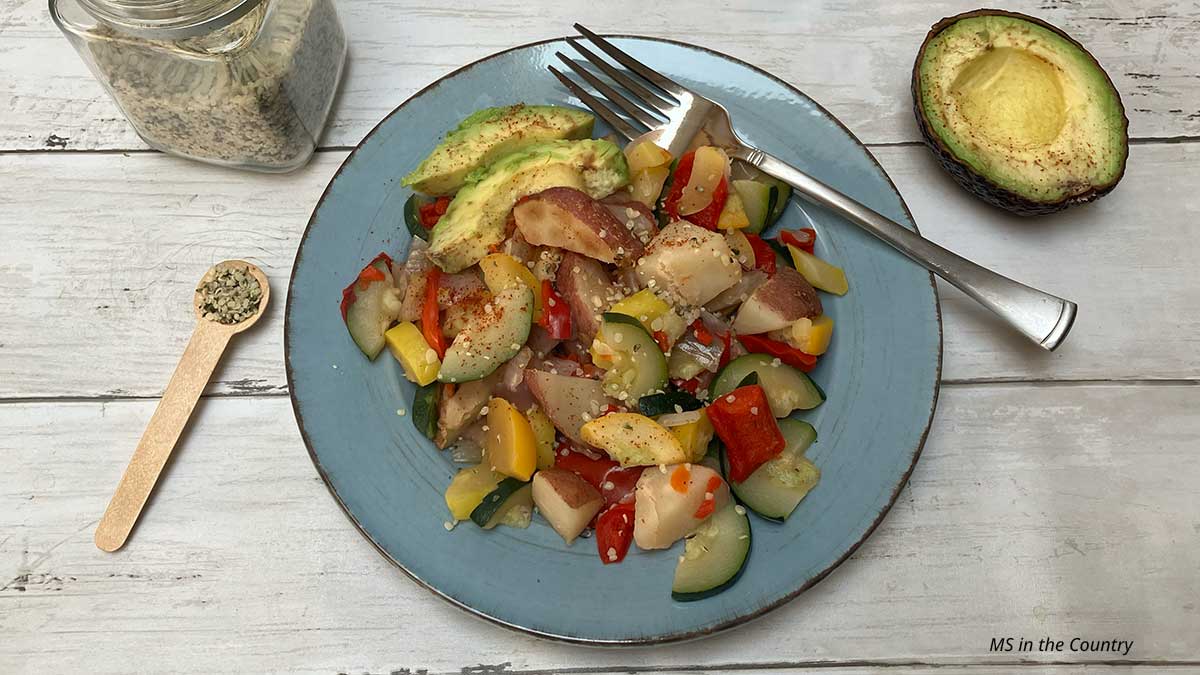
- Real Healing Meal: Steamed Mediterranean veggies with spinach, flaxseeds, and seasonings (under $5)
Guess which one actually nourishes your body better?
🌿 Healing Tip:
The most healing form of clean eating with MS is the one that lowers your stress, not raises it. If food rules make you anxious, it’s okay to let them go and focus on nourishing your body instead.
A Better Way to Eat with MS
Clean eating with MS doesn’t have to be extreme or expensive. You don’t need to follow a trendy plan to heal. You don’t need expensive superfoods or complicated rules.
You just need to nourish your body consistently in a way that feels good for YOU.
Start simple. Add more vegetables. Drink more water. Remove foods that make you feel worse. Keep foods that make you feel better.
Listen to your body, not Instagram influencers. Your body has lived with MS longer than any wellness guru. It knows what it needs.
Healing isn’t about perfection. It’s about progress. It’s about treating your body with kindness, not punishment.
Just because it’s “clean” doesn’t mean it’s healing.
The cleanest diet is one that reduces your stress, not increases it. One that fits your life, not controls it. One that makes you feel better, not guilty.
Your MS journey is unique. Your eating should be too.
Ready to discover what foods actually help YOUR body? Download my simple real-food meal guide and start eating in a way that supports your unique needs. No strict rules required.
🥄 Struggling to Keep Up with Clean Eating with MS?
Grab my free 15 Kitchen Shortcuts for Clean Eating with MS and discover quick, easy ways to eat healthy—even on your hardest days. These MS-friendly tips will save you time, energy, and brain fog while still helping you nourish your body and feel better.
Plus, you’ll get my helpful newsletter with gentle tips and support for living well with MS.