
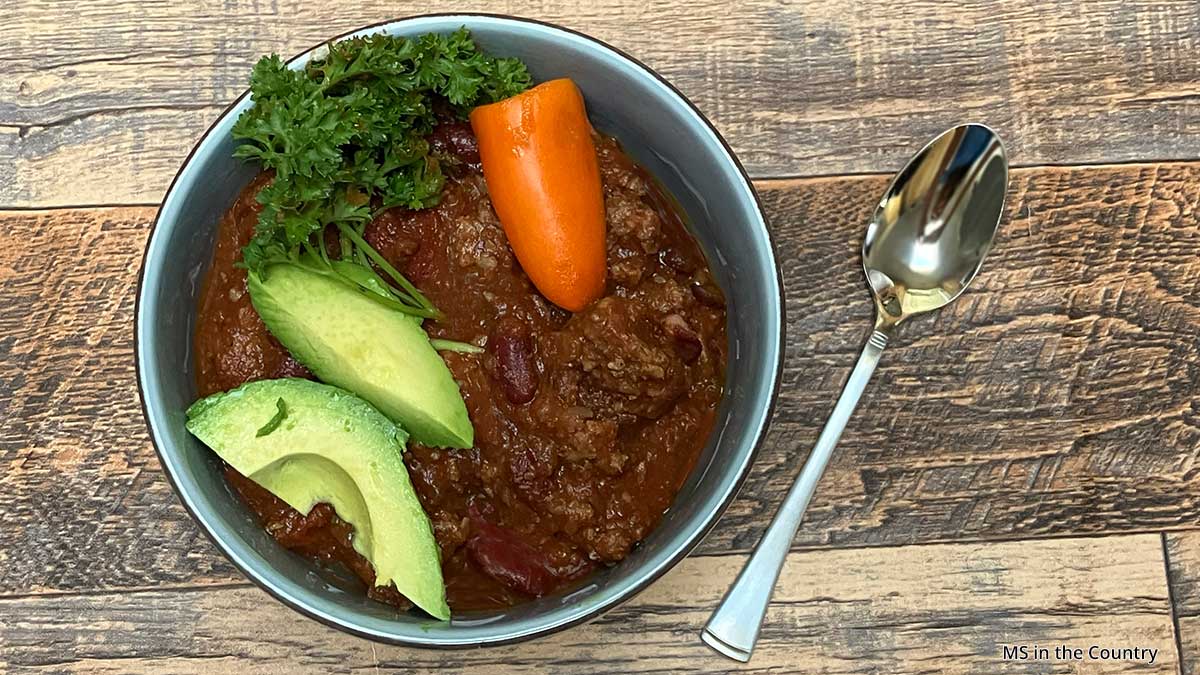
Let’s talk about beans and lentils. Are they helpful or harmful when managing multiple sclerosis (MS)? If you’ve looked into different healthy diets for MS, you may have noticed they aren’t all the same.
Many MS diets, like the Wahls Protocol, recommend avoiding beans and lentils. Others, like Overcoming MS (OMS), include beans and lentils. They’re full of fiber and plant-based protein. They also pack in antioxidants that are good for your health.
Here’s a simple breakdown of why they’re avoided:
Possible Reasons MS Diets Avoid Beans and Lentils
- Gut irritation:
Beans and lentils can be hard on the gut, especially if it’s already sensitive. Some people with MS find that eating them may make symptoms worse. - Digestive difficulty:
Gut issues like bloating or constipation are common with MS. Beans can make it worse by causing gas and discomfort. - High in histamines:
Some people with MS are sensitive to histamines – I was. Beans, especially if canned, leftover, or sprouted, are high in histamine. - Blood sugar spikes:
Beans have fiber, but they still raise blood sugar. Some people with MS try to keep their blood sugar steady to avoid more inflammation and fatigue. - Autoimmune triggers:
Some diets, like the autoimmune protocol (AIP), cut out foods that may trigger symptoms. Beans are one of them, especially early in the healing process. - Paleo habits:
If you’ve trained your gut to go without them. Reintroducing now might throw things off, especially when you’re focusing on healing.
Why So Many Opinions?
Different beliefs: Everyone has their own idea of what causes autoimmune issues.
- Dr. Terry Wahls looks at things like low nutrients, gut health, and how your cells work, not just the immune system.
- Paleo and AIP focus more on healing the gut and avoiding immune triggers.
- Overcoming MS (OMS) and the Swank diet care more about lowering fat and calming inflammation.
Different experiences: Some people feel better when they stop eating beans. Others feel fine with eating them. Many of these diets come from personal stories, not just research.
The science isn’t settled: There’s no one-size-fits-all MS diet backed by years of solid research. Most plans are based on real-life results and lots of trial and error.
So… do you eat beans and lentils or not? With MS diets saying different things, it’s hard to choose which is the right thing to do.
Beans and Lentils in the Nourish and Heal Protocol
This is just what worked for me. When my heat intolerance went away, I was eating a lot of raw, unprocessed plant foods. I did not include beans or lentils in my diet.
Why?
I’ve never been a big fan, so avoiding them hasn’t been hard for me. When I was working to reverse my symptoms, I became laser-focused on nutrition. My goal was to lower the stress on my digestion and eat foods that are easier to absorb. That meant loading up on vegetables, especially leafy greens and cruciferous ones.
I was trying to remove any foods that may irritate my gut.
🌿 Healing Tip:
Your body will thank you for this! Witness the amazing power of real food in Week 1 of the Nourish and Heal protocol.
So… Who Should You Believe?
In the beginning, it’s best to avoid beans and other lectin-rich foods like lentils, chickpeas, and soy. While these foods are healthy for many people, they contain plant proteins called lectins that can irritate the gut and trigger inflammation in those with autoimmune conditions.
To give your body the best chance to heal, focus on raw fruits and vegetables, leafy greens, cruciferous veggies, and omega-3s from flax or chia seeds. Avoid anything that might slow down your recovery. Once healing begins, you can slowly reintroduce foods like beans to see how your body responds.
What to do when reintroducing foods:
- Pick one food to test for a few weeks.
- Track your symptoms: How’s your energy? Mood? Bathroom trips? Pain?
- Tweak what doesn’t work, keep what does.
Tips for Introducing Beans and Lentils
Figuring out dietary choices can be confusing, especially when there are so many choices. Once you begin to add beans and lentils into your diet, consider this:
- Start Slowly: Introduce one type at a time and monitor how you feel.
- Proper Preparation: If you do eat beans, soaking them overnight and cooking them well can help. This makes them easier to digest. For example, kidney beans need to be boiled for at least 10 minutes, and 0slow cookers don’t get hot enough to do the job.
- Observe Your Body: Pay attention to any digestive discomfort or changes in symptoms. Staying hydrated can also support digestion. Here’s how I drink more water each day.
Soaking and cooking beans can help. But whether or not you can handle them depends on your gut, your current symptoms, and how your body responds if you decide to try beans and lentils; preparation matters.
What You Can Do:
- Try small amounts of well-soaked, fully cooked beans
- Watch how your body reacts over 24–48 hours
- If you feel good, great! If not, pause and try again later in your healing
Beans aren’t the only thing that can affect your symptoms. See how eating more vegetables can help you start healing.
The Best Choice Is the One That Works for You
In the end, what is the best choice for you to make?
That’s what it comes down to, isn’t it – choices? With so many choices it gets confusing. But remember, there is no perfect diet that fits everyone with MS. The best choice is the one that:
- Supports your body (less pain, more energy, better mood)
- Fits your lifestyle (affordable, doable, and not overwhelming)
- Feels right in your gut (literally and emotionally)
🌿 Healing Tip:
While you’re healing, it might be best to leave beans and lentils out for now. Instead, focus on foods that flood your body with the most nutrients and are easiest to digest. You can always add them back later if they work for you.
How to Find Your Best Path
Here’s a simple way to move forward:
- Keep it simple, start with Nourish and Heal (or even your own diet).
- Stick with it for a few months. Give your body time to respond.
- Track your symptoms. Notice how your body, energy, and bathroom habits change. For an awesome Symptom Tracker, check out the form below. 👇
- Adjust slowly. If something isn’t working, tweak it without guilt.
Listen to your body
You’ve lived in your body longer than anyone else. You already know some foods make you feel worse. You already know what gives you hope. Use these tips as tools, not rules. They’re guides, not facts.
A Quick Reminder:
In the Nourish and Heal protocol, beans and lentils are left out during healing to ease digestion and lower inflammation. You can always try adding them later if they feel right for your body. Want to dive deeper? Here’s what experts say about how beans and lentils affect gut health.
Take it one step at a time, and trust that your body can heal with the right care and support. You’ve got this.
💌 Nourish and Heal MS Naturally — Start by Tracking Your Progress
Join my MS in the Country newsletter and get a free symptom tracker to help you see what’s working as you nourish and heal.
Track small changes, stay consistent, and take simple steps toward feeling better.