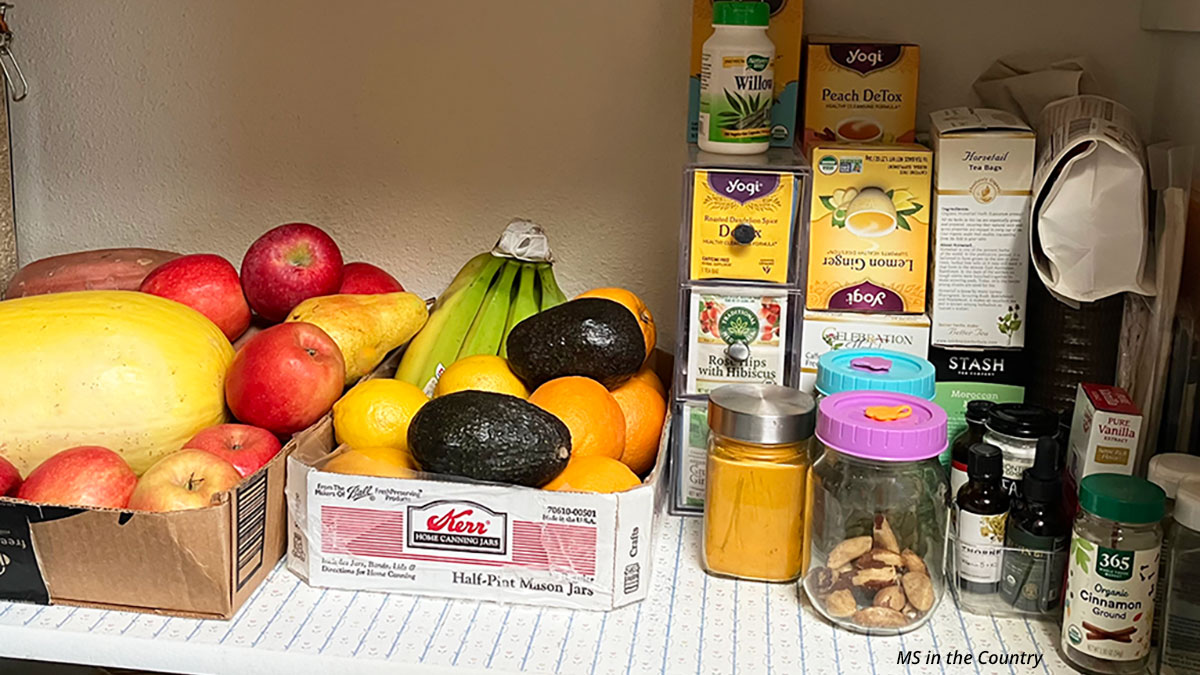
What if I told you the most powerful tool for managing your MS symptoms wasn’t in a prescription bottle—it was already sitting in your kitchen?
I know, I know. It sounds like one of those too-good-to-be-true internet claims. Food isn’t a cure for multiple sclerosis, but research keeps showing us that what we eat profoundly affects our inflammation levels, gut health, fatigue, and even how often we experience relapses, especially when we focus on anti-inflammatory foods for MS.
Now is the perfect time to transform your kitchen into your personal pharmacy. No strict diet, overwhelm, or feeling stressed. Just easy and calm, because you deserve to feel your best, and the foods you choose can genuinely help you feel better.
Why Anti-Inflammatory Foods for MS Matter More Than You Think
People with MS who focus on anti-inflammatory foods for MS—a high-fiber, plant-based eating pattern—consistently report better outcomes. This includes lots of colorful vegetables, fruits, nuts, olive oil, and fish, with minimal processed foods and saturated fat.
We’re talking less fatigue, better quality of life, and fewer relapses.
The magic happens in two ways:
- First, these foods support a healthier gut microbiome (yes, your gut bacteria matter way more than anyone realized a decade ago).
- Second, they naturally lower inflammation throughout your body, including in your nervous system.
And before you panic, I’m not suggesting you become a strict vegan or give up every food you love. This isn’t about perfection or starving yourself. It’s about stocking your kitchen with foods that actively work for you, then finding simple, delicious ways to eat them every single day.
Think of it this way: by stocking up on anti-inflammatory foods for MS, you’re not just making meals. You’re preparing daily doses of anti-inflammatory, neuroprotective medicine that actually tastes good.
Ready to set up your pharmacy? Let’s stock those shelves.
Stock Your Kitchen Pharmacy: Essential Anti-Inflammatory Foods for MS
These are your everyday staples, the foods that should make regular appearances in your kitchen and on your plate.
Vegetables & Fruits (Your Heavy Hitters)
If your kitchen pharmacy had an MVP section, this would be it. Packed with fiber, vitamins, antioxidants, and compounds that fight inflammation and feed your beneficial gut bacteria.
- Leafy greens: Spinach, kale, arugula, mixed greens (the darker, the better)
- Cruciferous vegetables: Broccoli, cauliflower, Brussels sprouts, cabbage
- Colorful produce: Bell peppers, tomatoes, carrots, beets, sweet potatoes
- Berries: Blueberries, strawberries, raspberries (fresh or frozen—both work!)
- Other fruits: Apples, oranges, grapes, cherries, pomegranate
Why it works: The fiber feeds your good gut bacteria, which produce anti-inflammatory compounds. The antioxidants protect your nerve cells. And the variety ensures you’re getting a wide range of protective nutrients.
Healthy Fats & Oils (Your Brain’s Best Friends)
Your nervous system is largely made of fat, so the quality of fats you eat matters enormously.
- Extra virgin olive oil (EVOO): Your go-to for cooking and dressings
- Avocados: Creamy, satisfying, anti-inflammatory
- Nuts: Walnuts, almonds, cashews, pecans
- Seeds: Ground flaxseeds, chia seeds, pumpkin seeds, hemp hearts
- Fatty fish: Salmon, sardines, mackerel, herring (fresh, frozen, or canned)
Why it works: These are some of the most important anti-inflammatory foods for MS because omega-3 fatty acids from fish, flax, and walnuts are crucial for brain health and reducing inflammation. These fats also help you absorb fat-soluble vitamins.

Flaxseeds: A Simple Anti-Inflammatory Food for MS
Flaxseeds are one of the most affordable and effective anti-inflammatory foods for MS. They’re rich in omega-3s, which support brain health and help calm inflammation. If you want to learn how to use flaxseeds simply and consistently, this guide walks you through it step by step.
Fermented & Gut-Supporting Foods (Your Microbiome’s Medicine)
A healthy gut means better immune regulation and less inflammation, both critical for MS.
- Dairy-free yogurt: Coconut, almond, or oat-based with live cultures
- Sauerkraut or kimchi: Look for refrigerated, unpasteurized versions
- Kombucha: If you like a fizzy drink
- Fermented veggies and pickles: Packed with probiotics
Why it works: These foods deliver beneficial bacteria directly to your gut, helping to balance your microbiome and support immune function.
If you’d like an easy option, I personally like Bubbies. Their sauerkraut and pickles are traditionally fermented and made without vinegar, which makes them gentler on the gut.
When shopping, be sure to choose the kind that’s kept in the refrigerated section. Shelf-stable versions usually aren’t truly fermented and don’t provide the same helpful bacteria.
Anti-Inflammatory Herbs & Spices (Your Flavor Medicine)
These aren’t just flavor—they’re therapeutic powerhouses with research-backed benefits.
- Turmeric (with black pepper to boost absorption) – Curcumin has powerful anti-inflammatory and neuroprotective effects
- Ginger (fresh or ground) – Reduces inflammatory markers
- Garlic (fresh is best) – Supports immune health
- Cinnamon, rosemary, oregano, basil, thyme
- Cayenne or red pepper flakes
Bonus Power Players
- Green tea (or matcha) – Polyphenols with antioxidant effects
- Dark chocolate (70% cacao or higher) – Look for brands lower in heavy metals, such as Ghirardelli Intense Dark, Taza Deliciously Dark, Mast Organic Dark, and Valrhona Abinao
- Fiber boosters: Flaxseeds, chia seeds, oats
Pro tip: A daily cup of green tea and a few squares of dark chocolate isn’t indulgent—it’s therapeutic.
Strategic Micronutrients (Food First!)
While supplements have their place, getting nutrients from food means you also get the fiber, phytonutrients, and other compounds that work together.
- Vitamin D: Fatty fish, mushrooms exposed to UV light (though supplementation is often needed—talk to your doctor). It’s important to keep your vitamin D level in the optimal range.
- Omega-3s: Fatty fish, ground flaxseeds, chia seeds, walnuts, hemp hearts
- B vitamins: Leafy greens, bananas, avocados, nutritional yeast
- Magnesium: Pumpkin seeds, almonds, spinach, dark chocolate
If supplements are something you’re exploring, I’ve gathered the ones I personally use and trust on my My Favorites page to make things easier and less overwhelming.
Don’t Forget Your Most Important “Supplement”: Water
Before we talk about how to use all these amazing foods, let’s address something that’s often overlooked but absolutely critical for MS management: hydration. Proper hydration helps with fatigue, cognitive function, bladder health, and even reduces inflammation. Yet so many people with MS struggle to drink enough water throughout the day.
Your body needs water to transport nutrients, regulate temperature, flush toxins, and keep your nervous system functioning optimally. When you’re dehydrated, MS symptoms often feel worse—brain fog intensifies, fatigue hits harder, and even muscle spasms can increase.
The simple prescription: Aim for 8-10 glasses of water daily, adjusting based on your activity level and climate. Keep a reusable water bottle visible on your desk or counter as a constant reminder.
Want specific strategies to make hydration easier and more consistent? Check out my complete guide: Drink More Water: Hydration Tips for MS.
Think of water as the foundation that allows all these anti-inflammatory foods to work their magic. You’re building your kitchen pharmacy—hydration is the base that everything else sits on.
🌿 Healing Tip:
Pairing proper hydration with anti-inflammatory foods for MS creates a synergy your body truly thrives on. Water helps your gut absorb the nutrients from all those colorful vegetables, healthy fats, and fermented foods we talked about. Without it, even the best anti-inflammatory diet for MS won’t work as well as it could. Think of water and nutrition as partners — one without the other just doesn’t deliver the same results.
How to “Dispense” From Your Kitchen Pharmacy: Making It Real
Having the right anti-inflammatory foods for MS stocked is one thing. Using them consistently is where the magic happens. Here’s your prescription template for success.
The Daily Formula
Build most meals around this simple pattern:
Vegetables + Fiber-Rich Carb + Omega-3 or Lean Protein + Olive Oil & Herbs
It sounds simple because it is. You’re not following complicated recipes every day—you’re assembling nourishing meals from your pharmacy shelves.
Your Daily “Prescriptions” (Habits That Heal)
Think of these as your medication schedule, but way more delicious:
Morning dose:
- A bowl of berries (fresh or frozen)
- Small banana
- Ground flaxseeds or chia seeds
- Sprinkle of cinnamon
- Optional: walnuts or sliced almonds
Midday dose:
- A big salad with leafy greens
- Variety of chopped veggies (cucumber, tomatoes, bell peppers, carrots)
- Fresh or dried fruit (berries, apple slices, or a chopped date for sweetness)
- Nuts and/or seeds
- Drizzle of EVOO and lemon juice or vinegar
- Optional: grilled chicken or canned wild salmon
Evening dose:
- Baked or pan-seared salmon (or other fatty fish)
- Roasted or steamed vegetables (try broccoli with garlic and lemon)
- Roasted sweet potato
- Sprinkle of ground flaxseed
- Season generously with turmeric, black pepper, and herbs
Between meals:
- Green tea
- A small handful of nuts
- Dark chocolate square
- Sliced veggies with guacamole
Weekly Prep Makes It Effortless
Set yourself up for success with a little Sunday (or whenever) prep:
- Wash and chop vegetables for the week, store in glass containers
- Roast a large sheet of veggies (sweet potatoes, broccoli and cauliflower florets, butternut squash, onions)
- Make a big jar of salad dressing with EVOO, lemon, garlic, and herbs
- Portion out nuts and seeds into small containers for grab-and-go
- Bake or grill several servings of salmon to use throughout the week
🌿 Healing Tip:
Some dark chocolates can be higher in heavy metals, so it’s something to be mindful of when choosing a brand. I prefer options that have tested lower, such as Alter Eco, Theo Chocolate, and Hu Kitchen, which use simpler ingredients and focus on better sourcing.
Your One-Day Starter Menu: Put It All Together
Ready to see what a day of eating anti-inflammatory foods for MS from your kitchen pharmacy actually looks like? Here’s a realistic, delicious example:
Breakfast: Anti-Inflammatory Power Bowl
- 1 cup berries
- 1 small banana, sliced
- 1 tablespoon chia seeds or 1 teaspoon–1 tablespoon ground flaxseed
- Optional: handful of walnuts, drizzle of almond butter, sprinkle of cinnamon
What you just “prescribed”: Omega-3s, fiber for your gut, anti-inflammatory compounds, antioxidants, and a healthy dose of satisfaction.
Mid-Morning Snack
- Green tea
- A small apple with 10-12 almonds or apple slices dipped in almond butter
Lunch: Mediterranean Rainbow Salad
- 2-3 cups mixed greens (spinach, arugula, romaine)
- 1 cup chopped vegetables (cucumber, cherry tomatoes, bell peppers, shredded carrots)
- ¼ cup pomegranate seeds or sliced strawberries
- 2 tablespoons pumpkin seeds
- 3 oz grilled chicken or ½ can wild-caught sardines (optional)
- Dressing: 2 tablespoons EVOO, lemon juice, minced garlic, dried oregano, salt, and pepper
- Serve with a few gluten-free crackers
What you just “prescribed”: Massive vegetable variety, healthy fats, protein, polyphenols, and compounds that feed your gut bacteria.
Afternoon Snack
- Carrot and celery sticks with guacamole
- 2 squares (about 20g) of 70%+ dark chocolate
Dinner: Turmeric Salmon with Roasted Vegetables
- 4-5 oz wild-caught salmon, seasoned with turmeric, black pepper, garlic powder, and a squeeze of lemon, baked at 400°F for 12-15 minutes
- 2 cups roasted vegetables (broccoli, cauliflower, and Brussels sprouts tossed in EVOO, salt, and rosemary)
- ½ cup cooked quinoa or brown rice, mixed with 1 teaspoon ground flaxseeds
- Side: Small mixed green salad with EVOO and balsamic vinegar
What you just “prescribed”: Omega-3s, curcumin, cruciferous compounds, fiber, and a spectrum of anti-inflammatory herbs.
Evening (Optional)
- Cup of herbal tea (chamomile, ginger, or turmeric blend)
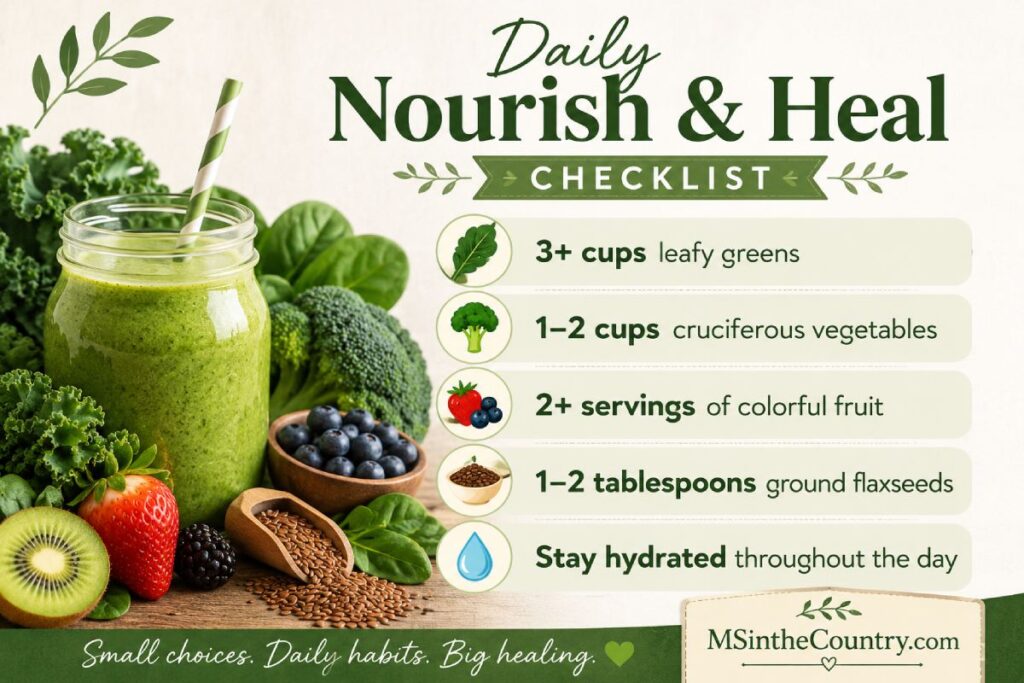
Here’s how these foods fit together into an easy daily routine. 👇
You’ve Got This
Here’s what I want you to remember: you don’t have to overhaul your entire kitchen overnight. You don’t need to be perfect. You don’t need to spend hours cooking elaborate meals.
Start with one category of anti-inflammatory foods for MS. Maybe this week, you can focus on adding more vegetables and berries. Next week, you swap your regular cooking oil for extra virgin olive oil. The week after, you experiment with adding turmeric and ginger to your meals.
Small, consistent changes compound into powerful results.
Your kitchen full of anti-inflammatory foods for MS isn’t about restriction—it’s about abundance. It’s about filling your home with foods that actively support your body, reduce inflammation, protect your nervous system, and help you feel your best.
And the beautiful part? These foods don’t just help manage MS symptoms. They taste good, they’re satisfying, and they support your overall health in countless ways.
So go ahead and stock those shelves. Your body (and your brain) will thank you.
What’s one food from your “kitchen pharmacy” that you’re excited to add this week? I’d love to hear what you’re going to try!
🌿 Healing Tip:
When you’re starting to heal your gut, your body often needs a gentle reset. Even healthy foods can feel like “too much” at first. It’s best to focus on foods that are easier to digest, like steamed vegetables.
Remember: These suggestions about anti-inflammatory foods for MS are based on current studies. They’re meant to complement, not replace, your medical treatment. Always talk with your healthcare team before making major dietary changes, especially regarding supplements.